How to Clean a Banneton Basket (So It Never Molds or Sticks)
How to Clean and Care for a Banneton Basket
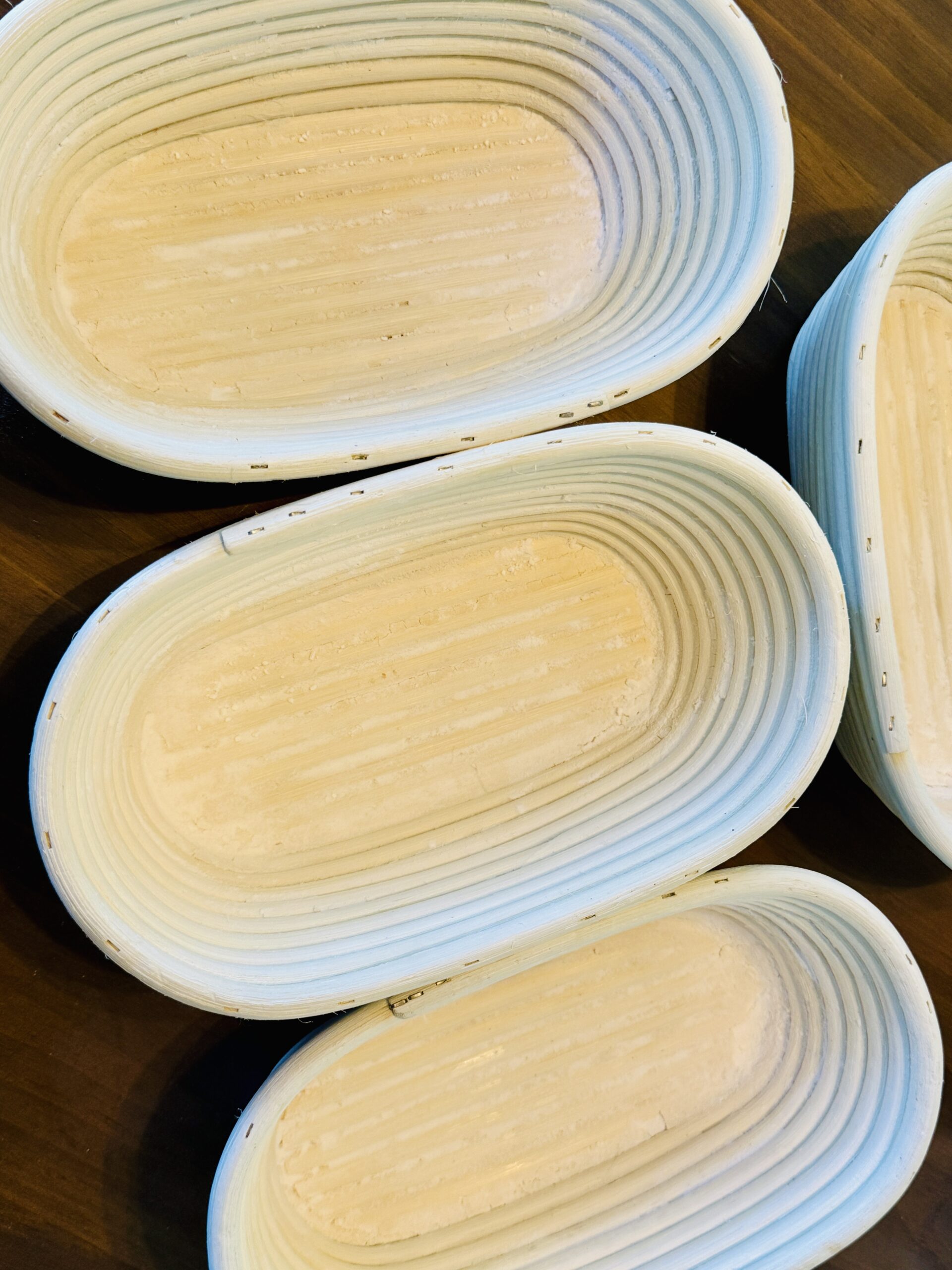
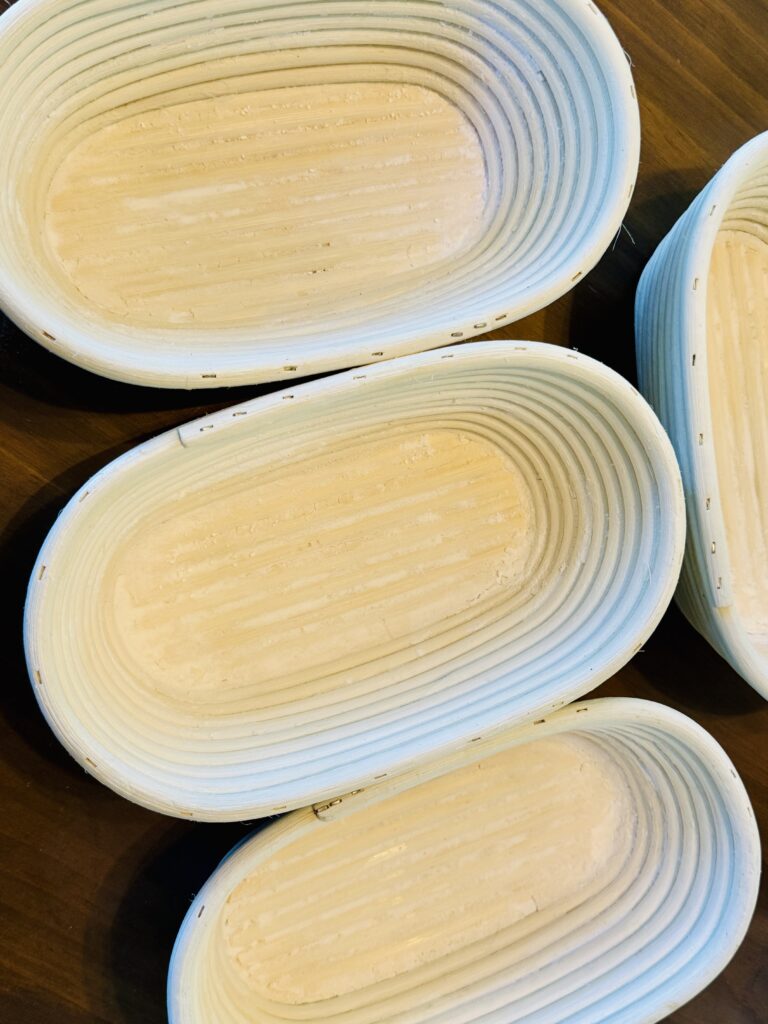
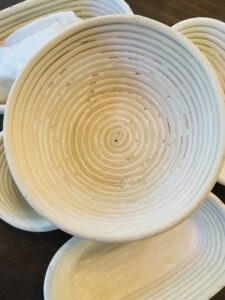
A banneton basket should almost never be washed with soap and water. To care for one properly, brush out excess flour and dried dough after every use, let it air-dry completely upside down, and only rinse it with plain water on the rare occasion mold or heavy buildup appears. Done right, a good rattan or cane banneton can last for decades. These are the ones I use for oval shaped and round shaped banneton baskets.
If you’ve just bought your first banneton or you’re staring at one covered in gray, gummy flour, wondering if you ruined it, this guide covers everything: seasoning a new basket, your after-every-bake routine, how to deal with mold safely, and how to store it so it’s ready for your next loaf.
📄 Get the FREE Fresh-Milled Conversion Cheat Sheet exactly how much of each grain to swap for 1 cup all-purpose, how much water to add, and how to fix a dense loaf. Tape it inside your cabinet and bake with confidence 💛 Subscribe to Fresh Flour Living on Substack.
What Is a Banneton Basket, and Why Does It Need Special Care?
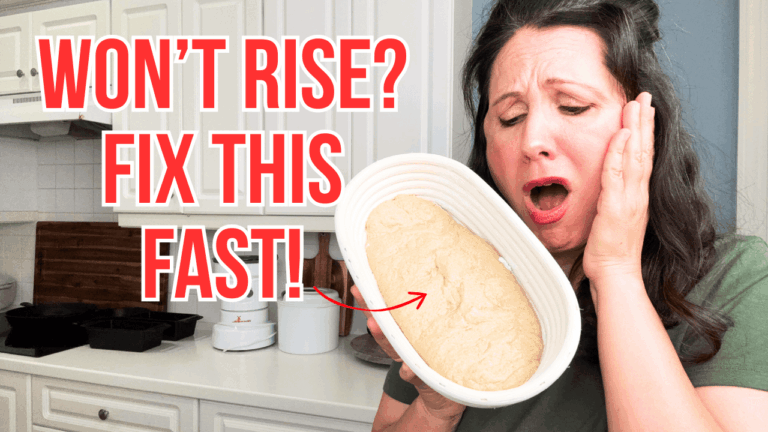
A banneton (also called a brotform or proofing basket) is a woven basket, typically made from rattan, cane, or sometimes wood pulp, used to hold shaped bread dough during its final rise. The ridged weave presses a spiral pattern into the dough’s surface and wicks moisture away from it, which helps the loaf hold its shape and develop a crisper crust once baked.
Because a banneton is natural, unsealed, and untreated material, it behaves more like a cast iron pan than a mixing bowl. Soap strips its natural water resistance, standing water warps the weave or invites mold, and a dishwasher will destroy it. The goal of care is always the same: keep it dry, keep it floured, and keep air moving through it. I use this oval rattan banneton and this round rattan banneton from Amazon myself, and it’s held up for years with the care routine below. DISCLAIMER: As an Amazon Associate, I earn from qualifying purchases. I only share tools I personally use and love.
How Do You Season a New Banneton Basket?
Season a new banneton by dusting it generously with a 50/50 blend of rice flour and all-purpose flour, working it into the weave with your fingers, then letting your first few loaves proof in it before brushing out the excess. This builds up a light, semi-permanent flour coating that keeps dough from sticking.
Here’s the process in more detail:
- Dust heavily. Coat the entire interior, including the ridges between the weave, with rice flour. Rice flour is the standard here rather than wheat flour because it absorbs far less moisture and resists forming a gluten “paste” against the dough.
- Work it in. Rub the flour into the grooves with your fingertips so it settles into the weave, not just the surface.
- Use it 3–5 times before washing anything. Each proof deposits a bit more flour into the fibers. Don’t rinse the basket during this period — brushing is enough.
- Expect the color to change. A well-seasoned banneton darkens slightly and develops a smooth, slightly waxy feel inside. That’s the seasoning doing its job, not dirt.
How Do You Clean a Banneton Basket After Every Use?
After each bake, turn the banneton upside down over the counter or trash bin and tap firmly to release the dough’s flour skin, then use a dry pastry brush, dough scraper, or your hands to sweep out any remaining bits stuck in the weave. No water is needed for routine cleaning.
The after-bake routine, step by step:
- Tap it out. Most loose flour and dried dough flakes fall away with a firm tap or two.
- Brush the ridges. A stiff-bristled pastry brush (not a wire brush, which can shred rattan) gets into the grooves where flour cakes together.
- Pick off any stuck dough. If a bit of dough dried onto the surface, let it fully dry first, then flick it off with a fingernail or the edge of a bench scraper. Trying to scrape it while tacky just smears it into the fibers.
- Air it out before storing. Leave the basket open to the air for a few hours, or overnight, before covering it. Trapping any residual moisture is the single biggest cause of mold.
You should not need water for this step in the vast majority of bakes. A well-seasoned banneton effectively cleans itself through use.
How Do You Remove Mold from a Banneton Basket?
To remove mold from a banneton, brush off as much loose growth as possible outdoors, then wash the basket briefly under cool running water with a stiff brush — no soap — and dry it completely in direct sunlight or near a fan for at least 24–48 hours before using it again.
Mold shows up as fuzzy gray, white, or greenish patches, usually in the base or tight ridges where airflow is weakest. It happens almost exclusively from storing a banneton before it’s fully dry, or keeping it in a humid kitchen or sealed plastic bag.
If you find mold:
- Take it outside if possible, and knock off loose growth over a trash can.
- Rinse briefly under cool water, scrubbing the affected area with a stiff (non-metal) brush. Keep the basket wet for as little time as possible — this is a rinse, not a soak.
- Skip the soap and skip the vinegar or bleach. These strip the seasoning, can leave residue that transfers to your next dough, and aren’t necessary for surface mold on an unfinished wood product.
- Dry it aggressively. Set it in direct sun for a full day if you can, or use a fan indoors. It needs to be bone-dry all the way through the weave, not just dry on the surface, before you store or use it again.
- Re-season lightly with rice flour once it’s fully dry, since washing removes some of the built-up coating.
If mold has soaked deep into the rattan and left a lingering musty smell even after drying, or if it recurs repeatedly in the same spot, it’s usually more practical to retire that basket than keep fighting it.
How Do You Store a Banneton Basket Between Uses?
Store a banneton basket uncovered or loosely covered with a breathable cloth, in a dry spot with airflow, and never in a sealed plastic bag or airtight container. Trapped humidity is what turns a clean basket moldy between bakes, not the basket sitting out. 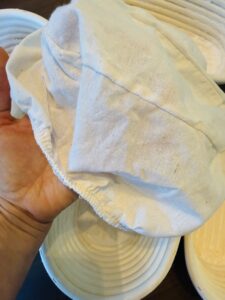
A few storage habits that matter:
- Skip airtight bags. If you want dust protection, use a loose cotton or linen cloth instead of plastic.
- Keep it away from the dishwasher and stovetop steam. Ambient kitchen humidity adds up over time.
- Store it upside down or on its side if your kitchen tends to be humid, so no moisture pools in the base.
- Give it monthly maintenance even if you’re baking regularly: a quick tap-out and brush, and a fresh dusting of rice flour if it’s looking thin.
Common Banneton Care Mistakes to Avoid
- Washing it like a mixing bowl. Soap and hot water strip the natural finish and flour seasoning that keeps dough from sticking.
- Using all-purpose or bread flour for dusting. Wheat flour has more gluten and moisture affinity than rice flour, so it’s more likely to clump, stick to dough, and mold.
- Putting it away damp. This is the number one cause of mold, more than any single “dirty” bake.
- Scrubbing with metal brushes or scouring pads. These fray the rattan and shorten the basket’s life.
- Microwaving or oven-drying it to speed things up. High heat can scorch or warp natural rattan. Air and time are safer than heat.
Before you go: if you bake with fresh-milled flour, grab the free Fresh-Milled Conversion Cheat Sheet — exactly how much of each grain to swap for 1 cup all-purpose, how much water to add, and how to fix a dense loaf. 💛 Get it here →
Frequently Asked Questions
Can you wash a banneton basket with soap?
No. Soap strips the natural seasoning and water resistance built up in the weave, which makes dough more likely to stick on future bakes. Plain water, used sparingly, is all a banneton needs.
How often should you re-flour a banneton basket?
Give it a fresh dusting of rice flour every few bakes, or any time dough starts sticking slightly during unmolding. Baskets used daily may need a light dusting before almost every use; occasional bakers can often go several loaves between dustings.
Why does my banneton basket smell musty?
A musty smell almost always means the basket was stored before it was completely dry, allowing mold or mildew to develop inside the weave. Rewash briefly, dry it fully in sun or with a fan for at least a day, and store it uncovered going forward.
Is rice flour or wheat flour better for a banneton basket?
Rice flour is better. It absorbs less moisture than wheat flour, resists forming a sticky paste against dough, and is the standard choice among professional bakers for dusting proofing baskets.
How long does a banneton basket last?
With proper care — no soap, no soaking, and always drying fully before storage — a rattan or cane banneton basket can last many years, sometimes decades, of regular use.
Can you put a banneton basket in the dishwasher?
No. Dishwashers combine prolonged water exposure, heat, and detergent, all of which will warp, crack, or mold natural rattan. Hand-clean only, and rarely.
Happy Baking ~ Ashley 💛🍞
Fresh Flour Living
P.S. If you love making homemade bread or you’re just curious about getting started, I’ve got a bunch of recipes for you here.